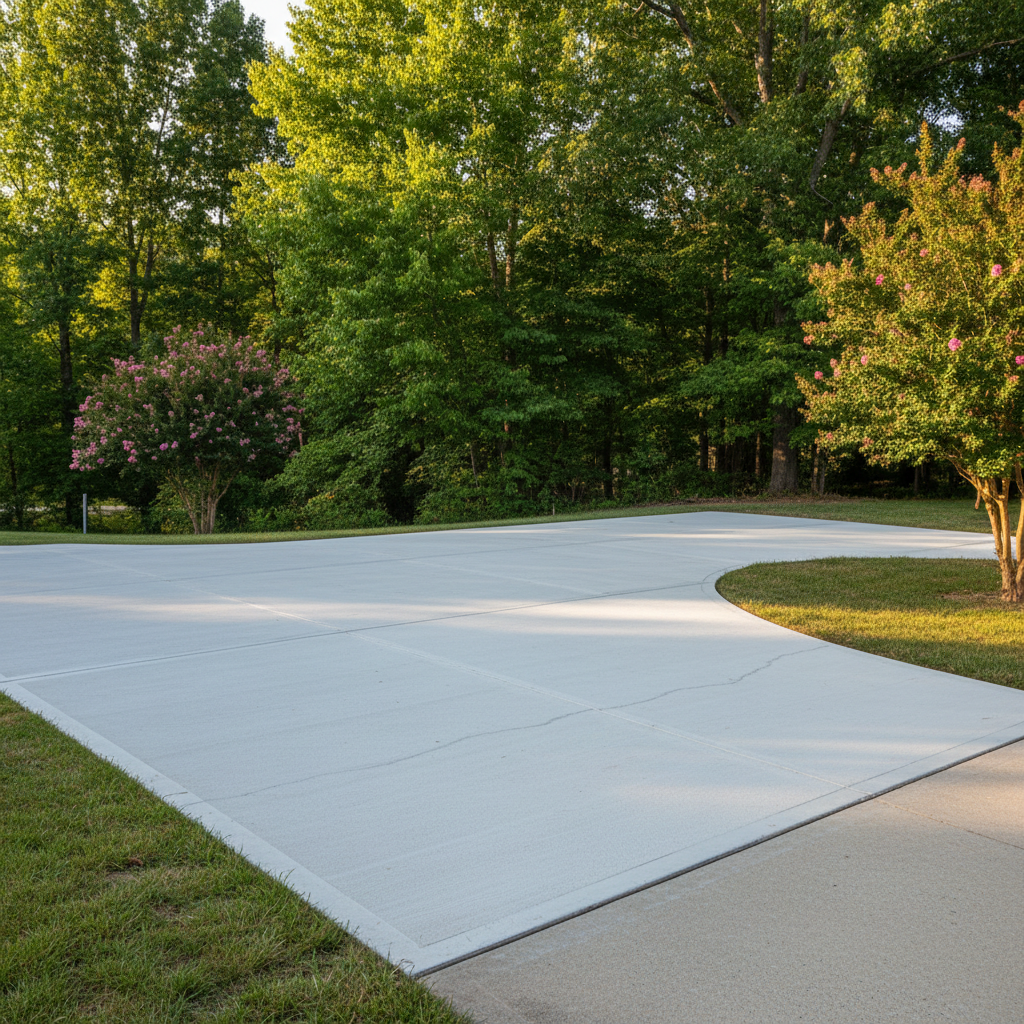
You just invested in getting that cracked driveway or sinking patio fixed. That's a smart move, because ignoring concrete problems only makes them worse and more expensive. But getting the repair done is only half the battle. If you want that new concrete patch or lifted slab to truly last, you've got to give it a little love. I've seen too many folks neglect their repairs, only to call me back a year or two later with the same old issues popping up. Don't be that person.
Extending the Life of Your Concrete Repair
Once we've done our work, whether it's patching, sealing, or lifting, the goal is to make that fix as permanent as possible. A big part of that comes down to proper curing and then ongoing protection. When we finish a job, especially with new concrete or a patch, we'll give you specific instructions on curing. Listen to 'em. That usually means keeping it moist for a few days, sometimes covering it, and definitely staying off it for a while. That's not just a suggestion; it's critical for the concrete to gain its full strength.
After that initial cure, sealing is your best friend. I can't stress this enough, especially here in Rogersville. Our weather swings can be brutal. Hot, humid summers followed by freezing winters with plenty of thaw-freeze cycles. That's a nightmare for unsealed concrete. Water gets in, freezes, expands, and then you've got new cracks or spalling. A good quality penetrating sealer, applied every 2-3 years, will significantly extend the life of any concrete, repaired or not. It repels water, resists stains, and makes it easier to clean. Think of it as sunscreen for your concrete.
Another thing to consider is drainage. If your repaired area is constantly sitting in water, or if water is pooling against it, you're asking for trouble. Make sure downspouts are directed away, and that the ground slopes away from your foundation or slab. Proper drainage is often overlooked but it's a huge factor in concrete longevity.
Regular Maintenance: What You Should Be Doing
Good news: maintaining concrete isn't rocket science. It's mostly about common sense and a little bit of elbow grease. Here's what I tell my clients:
- Keep it Clean: Sweep off dirt, leaves, and debris regularly. Don't let organic matter sit and decompose on the surface, as it can hold moisture and lead to staining or even algae growth.
- Wash it Down: A good pressure wash once a year can do wonders. Just be careful with the pressure, especially on older or more delicate surfaces. You don't want to blast away the top layer or any aggregate. If you're unsure, a regular garden hose with a scrub brush works fine too.
- Address Spills Immediately: Oil, grease, chemicals – these can stain and even degrade concrete over time. Clean them up as soon as they happen.
- Avoid De-icers with Salt: This is a big one for our winters. Most common rock salts and de-icers contain chlorides that are highly corrosive to concrete. They break down the surface, leading to flaking and pitting. Use sand for traction, or look for chloride-free de-icers specifically labeled as safe for concrete.
- Watch for Growth: If you see moss, algae, or weeds popping up in cracks or on the surface, get rid of them. They hold moisture and can widen existing cracks.
Warning Signs of Trouble
You've got to be observant. Your concrete will tell you when it's not happy. Here are some red flags that mean you might have a problem brewing:
- New Cracks or Widening Existing Ones: A hairline crack might not be a big deal, but if it's growing, or if new ones are appearing, that's a sign something's moving underneath.
- Spalling or Flaking: This is when the surface of the concrete starts to chip or peel away. It's often caused by freeze-thaw cycles or poor quality concrete/sealing.
- Pitting: Small holes or depressions forming on the surface. Can be from de-icers or aggregate issues.
- Unevenness or Sinking: If a section of your driveway or patio starts to sink or become uneven, that's a clear sign of soil erosion or settlement underneath. This is especially common in areas of Rogersville with clay-heavy soils that expand and contract with moisture.
- Water Pooling: If water is consistently pooling in an area that used to drain, your concrete might be settling or shifting.
- Discoloration or Stains You Can't Remove: While some stains are just cosmetic, persistent dark or wet spots could indicate moisture issues.
When to Call a Professional (Like Majestic Concrete Co.)
Look, I'm all for DIY, but some things are best left to the pros. If you see any of those warning signs, especially new cracks, sinking, or significant spalling, it's time to pick up the phone. Don't wait until it becomes a tripping hazard or a structural issue. Early intervention can save you a lot of money and prevent a small repair from turning into a full replacement.
You should also call us if you're not comfortable with the repair process itself. Patching a small crack is one thing, but if you're dealing with larger sections, structural issues, or anything involving lifting, you need specialized equipment and expertise. We've got the tools and the know-how to diagnose the problem correctly and apply the right solution, whether it's crack repair, slab jacking, or something more extensive. We're here to help you protect your investment and keep your property safe and looking good.